
Lake Garda's wine country unfolds in three distinct chapters, each with its own rhythm and character. On the lake's eastern shore, Bardolino offers light, cherry-bright reds and a walkable town where cellars sit steps from the water. Just inland, the Valpolicella hills produce the powerful Amarone that wine lovers cross continents to taste. And on the southern shore, the Lugana zone crafts crisp, mineral whites from the Trebbiano di Lugana grape. For travellers aged 50 to 70 who want depth without exhaustion, this is Italy's most accommodating wine region—provided you plan around appointments, choose your base wisely, and decide early whether to drive or be driven.
What makes this corner of the Veneto and Lombardy special is its compact scale. You can taste Bardolino in the morning, enjoy a lakeside lunch, and still reach a Valpolicella estate by mid-afternoon. The wine routes here were never designed for marathon tastings; they reward a slower, more deliberate approach. The question is not whether to visit, but how to structure your days so that tasting remains a pleasure rather than a logistical puzzle.
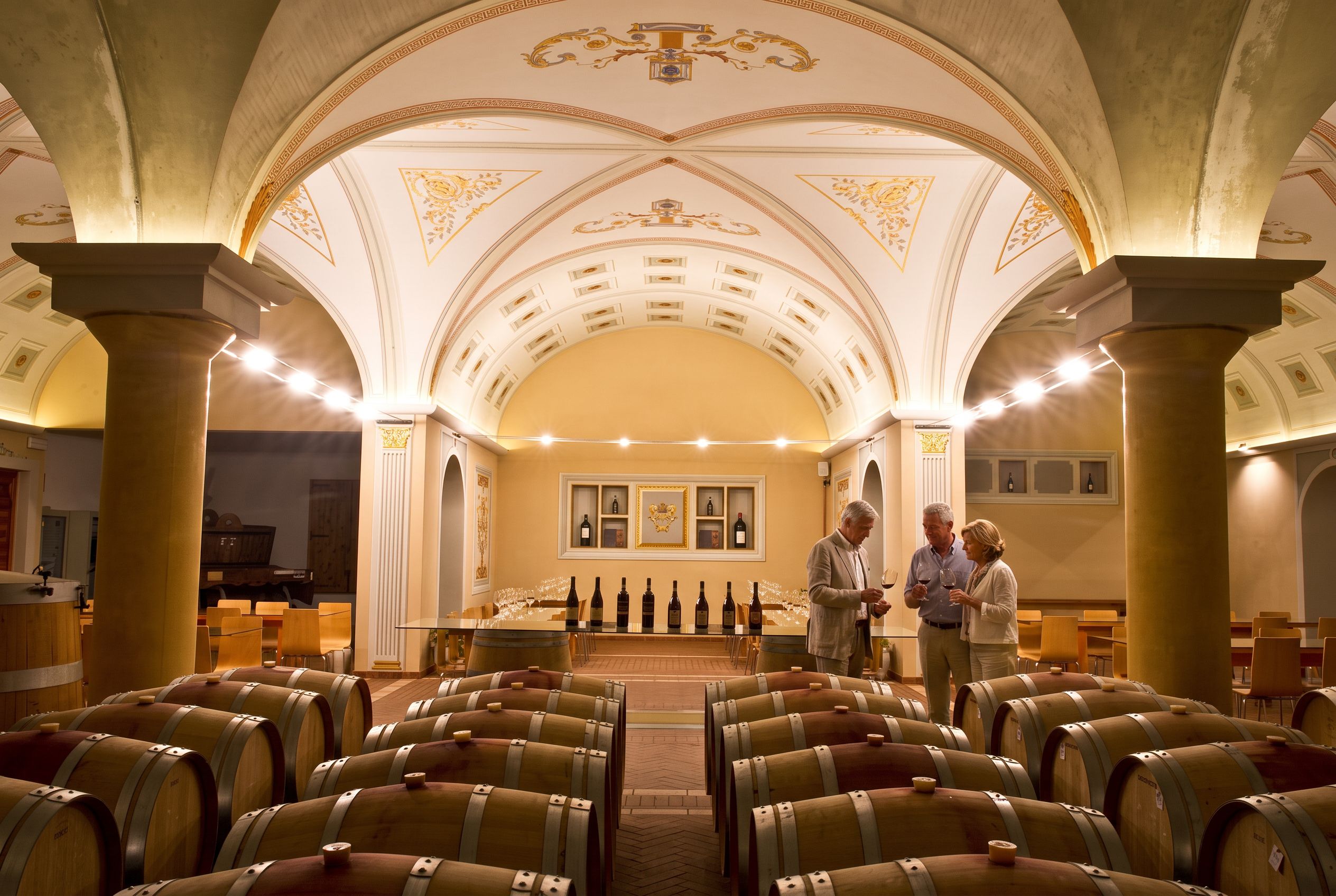 AI-edited
Which wine region should I choose for a relaxed tasting day?
Bardolino suits travellers who want minimal effort and maximum charm: flat promenades, cellars in town, and a light red that drinks beautifully chilled. Valpolicella rewards those willing to travel inland for Amarone's depth, while Lugana offers the easiest white-wine tasting on the lake's southern shore.
Bardolino is the most convenient base for wine-focused travellers. The town itself hosts several historic cellars, including the well-known Zeni winery and its free wine museum, which guests consistently rate highly for its clear explanations of local production. As of August 2026, the Museo del Vino e Cantina on Via Costabella holds 4.6 out of 5 on Google from 474 reviews, with visitors frequently praising the knowledgeable guides and unhurried pacing. One caveat for the map, though: that address sits about 1.7 kilometres south of Bardolino's main square, so the cellars are not all a promenade stroll apart.
Valpolicella, by contrast, requires more deliberate planning. The region's estates are scattered across the hills between Lake Garda and Verona, with many wineries accessible only by car or organised tour. This is where the decision about transport becomes critical. Forum travellers consistently report that a car or private driver makes Valpolicella touring dramatically easier, and that trying to combine multiple estates without transport quickly becomes tiring.
What makes Bardolino tastings special?
Bardolino's appeal lies in its accessibility and its wine's easy-drinking character. The town's cellars welcome walk-ins more readily than inland estates, and the Chiaretto rosé—made from the same grapes as the red—has earned growing international attention.
Recent trade coverage has highlighted a revival in Bardolino's reputation. A ministerial decree of 2 April 2021, published in the Gazzetta Ufficiale ten days later, recognised three Bardolino subzones—Montebaldo, La Rocca and Sommacampagna—and they have sharpened the region's identity, positioning Bardolino as Italy's answer to lighter, chillable reds. For visitors, this means tasting rooms are increasingly eager to explain their terroir, and the quality across the board has risen noticeably.
The Zeni winery on Via Costabella remains the most visitor-friendly stop. Its wine museum is free for individual visitors whether or not you buy anything, and it walks you through historical and modern production methods—rather more than most people expect from a cellar visit. Groups of more than ten are admitted only on a booked guided tour. The museum and wine shop open Monday to Saturday all year, and on Sunday mornings from April to October.
For a more intimate experience, several smaller producers around Bardolino and neighbouring Lazise offer estate visits by appointment. A few minutes down the shore in Cisano di Bardolino, Azienda Agricola Casetto on Via Monte Noal e Pigno pours its own wines alongside its own extra-virgin olive oil, by arrangement by email; reviewers frequently mention the warmth of the welcome and the unhurried pace, with time to enjoy both the wine and the lakeside scenery.
"Very nice museum, you can have 6 samples (per adult) without any pressure to buy. We wished we could bring them home, taste was amazing and the prices were great." — a guest wrote on Google in July 2022 about the Zeni wine museum in Bardolino
How do I plan a Valpolicella day trip?
Book a full-day guided tour with hotel pickup rather than attempting to self-drive. Most operators run 7–10 hour excursions from Bardolino, Garda, Lazise, and other lakeside towns, including cellar visits, tastings, and lunch—removing all navigation and parking concerns.
Valpolicella's Classica zone takes in five areas—Sant'Ambrogio, San Pietro in Cariano and the valleys of Fumane, Marano and Negrar—with the famous Amarone production concentrated on the hillsides. The region's signature wine, Amarone della Valpolicella, is made from grapes left to rest in airy lofts for 100 to 120 days, until they have lost at least half their weight; that is where the intensity and the alcohol come from. Pours are generous, and a wine that must reach 14 per cent by law does not forgive an afternoon at the wheel.
Several reputable operators run daily excursions from Lake Garda. The main booking platforms list full-day Valpolicella trips that include round-trip transport, two or three cellar visits, tastings, and a traditional lunch, and they pick up in a number of lakeside towns, so you can join without travelling to Verona first. The Consorzio Valpolicella also publishes a directory of its member estates if you would rather build the day yourself.
For travellers who prefer independent exploration, the town of Negrar di Valpolicella offers a cluster of wineries within walking distance of each other. Two estates with a lunch break between them make a fuller day than a marathon of five or six.
What should I know about Lugana wines?
Lugana is the easiest wine region to combine with a Lake Garda stay, sitting directly on the southern shore between Sirmione and Peschiera del Garda. Its white wines—crisp, floral, and mineral—offer a refreshing counterpoint to the reds of Bardolino and Valpolicella.
The Lugana denomination covers more than 2,000 hectares across five municipalities—Desenzano, Sirmione, Pozzolengo and Lonato in the province of Brescia, and Peschiera del Garda in the Veneto—and it has become a major driver of wine tourism on the lake's southern end. Lake Garda as a whole recorded some 27 million overnight stays across its three shores in 2022. For travellers, this means well-developed tasting infrastructure and cellars accustomed to international guests.
Ca' dei Frati at Lugana di Sirmione is the most frequently recommended producer, with forum travellers praising its I Frati Lugana as an excellent example of the style. The winery runs a booked thirty-minute guided visit followed by a tasting of four wines and charges nothing for either; it opens Monday to Saturday, 8.30 to 12.30 and 14.30 to 18.30, and closes on Sundays and public holidays. The Lugana plain it stands on is level ground, which helps. Other notable estates include Cascina Maddalena at Santa Maria di Lugana, still listed as closed for building work in August 2026, with its wine shop taking orders by email in the meantime.
Lugana tastings tend to be more intimate than those in Bardolino, with several reviewers noting the attentiveness of guides and the pleasant rural settings. The region's proximity to Sirmione and Desenzano makes it an easy addition to a day that also includes Roman ruins or lakeside promenades.
Should I hire a driver or join a tour?
For Valpolicella, yes—hire a driver or join an organised tour. For Bardolino and Lugana, you can manage without one if you base yourself in the right town and stick to walkable tasting rooms.
The decision comes down to how many estates you want to visit and how much you plan to taste. If you intend to sample Amarone seriously, driving yourself is neither safe nor sensible. The wines are high in alcohol, and the winding hillside roads demand full attention. Full-day guided trips from the lake towns were listed from about €89 per person including lunch in August 2026, while private hire is priced per vehicle rather than per head—a full-day Valpolicella tour with a local driver was listed from around €700 for up to seven people. For a couple, that makes the organised tour the better value by some distance: transport, guiding, and food are bundled, and you avoid the stress of navigation and parking.
For Bardolino, however, a car is optional rather than essential. Cantine Lenotti on Via Santa Cristina is roughly 560 metres from Piazza Matteotti, an easy stroll before lunch at a lakeside café. Zeni is a different proposition: its Via Costabella address lies about 1.7 kilometres south of the square, so pair the two only if that distance suits you, or take a taxi for that leg. Similarly, Lugana's southern-shore location means you can combine a morning tasting with an afternoon in Sirmione using the lake ferries.
If you do choose to self-drive for Bardolino or Lugana, book tastings in advance and check opening hours. The weekend pattern is real: Ca' dei Frati closes on Sundays and public holidays, Cantine Lenotti's shop shuts at noon on Saturdays and all day Sunday, and Zeni's museum and wine shop keep Sunday mornings from April to October but close on Sundays from November to March.
| Option | Best for | Typical cost | Effort level |
|---|---|---|---|
| Self-drive | Bardolino, Lugana | Car rental + fuel | Moderate |
| Organised group tour | Valpolicella day trip | from €89 a head | Low |
| Private driver | Custom itineraries, multiple estates | from about €700 per vehicle | Very low |
| Lake ferry + walking | Bardolino, Lugana towns | €1.50–€17.50 by route band | Low |
How accessible are the wineries?
Access depends on the individual cellar, not the region. Lugana's estates stand on flat plain, which helps; Valpolicella's Amarone producers sit on hillsides and vary widely, with some requiring steps or uneven paths. Bardolino's cellars are spread out rather than clustered, so check the distance as well as the doorway.
Guest reviews across all three regions consistently praise the warmth and attentiveness of hosts, but accessibility remains uneven. Some Valpolicella tours are explicitly not wheelchair accessible, and several estates involve rural approach roads or gates that may be inconvenient for travellers with mobility concerns. The regional S.T.A.I. project mapped four accessible itineraries on the Brescia side of the lake—Desenzano del Garda, Rivoltella del Garda, Sirmione and Bedizzole-Calvagese della Riviera—but they cover town walking rather than winery interiors, and none of them reaches the Veronese wine villages.
For the smoothest experience, weigh the ground before the listing. The Consorzio describes the Lugana zone between Desenzano, Sirmione, Pozzolengo and Peschiera as flat plain, and Ca' dei Frati stands on it; Valpolicella's Amarone estates are up on the hillsides, so the approach matters far more there. When booking, ask directly about steps, gravel paths, and bathroom facilities—most estates are happy to accommodate, but they need advance notice.
If you have specific mobility requirements, the pier matters as much as the town. Navigazione Laghi holds a Bandiera Lilla Approved certificate for six Lake Garda ports of call—Desenzano, Sirmione, Peschiera, Garda, Malcesine and Riva—and for nine of its ships. Bardolino and Lazise are not among them, and the operator states plainly that not all wharfs are easily accessible, with its own survey of the landing stages still unpublished. Of the two bases above, Desenzano is the surer one if boarding is a concern.
When is the best time for wine tasting?
Late September and October offer the ideal combination of harvest atmosphere, wine festivals, and comfortable temperatures. May and early June are also excellent, with fewer crowds and pleasant vineyard scenery.
The autumn wine festivals are the region's cultural highlight. Bardolino's Festa dell'Uva e del Vino, running since 1929, fills the Lungolago with food stalls, music, and local wines by the glass; the 2026 edition falls on 1 to 5 October. The Palio del Chiaretto celebrates the region's rosé at the start of June—the 21st edition ran from 5 to 7 June 2026, shared between Bardolino and Lazise, with tasting stands strung from Cisano up to Punta Cornicello. One date to hold on to either way: the scheduled boat service on Lake Garda ran only from 1 April to 4 October in 2026, so an October visit can outlast the ferries.
Summer months bring larger crowds and higher temperatures, which can make winery touring less comfortable. July and August are the busiest periods, especially around Sirmione and the southern beaches. If you visit during these months, plan tastings for the morning hours and use ferries rather than driving into crowded town centres.
For a calmer experience, consider the western shore or the northern end of the lake, which tend to feel less compressed than the heavily visited south. Our guide to when to visit Lake Garda for warm days and small crowds offers detailed month-by-month advice.
How do I book tastings?
Email or use online booking forms at least a week in advance, especially for weekends and during September–October. Most estates require reservations, and some close entirely on weekends.
The appointment-led model is now standard across all three regions. While Bardolino's town cellars occasionally accept walk-ins, the majority of estates—particularly in Valpolicella and Lugana—require advance booking.
When booking, specify your group size, any mobility requirements, and whether you want food pairings. Many estates offer tasting flights with local cheeses, salumi, and olive oil—the region's Garda DOP olive oil pairs beautifully with both Bardolino and Lugana wines. Some wineries, particularly in Valpolicella, include substantial food with their tastings, making a late-morning booking a de facto lunch.
For organised tours, the large booking platforms handle all the arrangements and provide hotel pickup from several lakeside towns. Lead times at the cellars themselves are firmer than most visitors expect: Ca' dei Frati asks groups of more than six to book at least ten days ahead, and Guerrieri Rizzardi in Bardolino takes its packages only on at least two days' notice, for a minimum of two people.
What about medical support and safety?
Standard Italian emergency services operate throughout the region, with 112 for emergencies and 116117 for out-of-hours medical advice. Pharmacies are available in all major towns, and the nearest emergency room for the eastern shore is the Ospedale P. Pederzoli in Peschiera del Garda.
Wine tasting is a low-risk activity, but the region's rural roads and summer heat deserve respect. If you're driving, alternate tastings with substantial meals and water. If you're joining a tour, confirm pickup points and times carefully—some operators have strict punctuality rules, and late arrivals may not be admitted.
For travellers with ongoing health conditions, our guide to health, pharmacies and peace of mind on Lake Garda provides detailed information on medical services around the lake. Bardolino's pharmacy, the Farmacia Alla Madonna, is at Via Croce 35; in Lazise the town's pharmacy is the Farmacia Benati at Via A. Della Scala 56, while the outlet on Piazza Vittorio Emanuele is a dispensary rather than a full pharmacy. Bardolino's tourist office also lists an emergency doctor service for visitors at Via Gardesana dell'Acqua 9, on 045 6213108.
For a more comprehensive look at the region's dining and café culture—including where to enjoy an aperitivo after your tastings—see our roundup of Lake Garda's finest restaurants and lakeside cafes.
How do I structure a wine-focused stay?
Base yourself in Bardolino or Desenzano for easy access to all three regions. Spend one day tasting in Bardolino on foot, one day on an organised Valpolicella tour, and one morning in Lugana combined with Sirmione's Roman ruins.
A three-day wine itinerary offers the ideal balance of depth and relaxation. Day one: explore Bardolino's town cellars, including Zeni's museum, with lunch at a lakeside café. Day two: join a full-day Valpolicella tour with lunch, returning to the lake by late afternoon. Day three: take the ferry to Sirmione, visit the Grotte di Catullo in the morning, then taste at Ca' dei Frati or another Lugana estate before returning to base.
For a more indulgent stay, consider one of the region's wine-focused hotels. Several agriturismi around Lugana offer quiet rooms, homemade breakfasts, and on-site restaurants.
If you prefer a grander base, the Grand Hotel Fasano in Gardone Riviera offers lakeside luxury within easy reach of Bardolino's tasting rooms. The hotel's position on the western shore provides a quieter perspective on the lake, with ferry connections to the eastern wine towns.
| Day | Morning | Afternoon | Evening |
|---|---|---|---|
| 1 | Bardolino town cellars (Zeni, Lenotti) | Lakeside lunch, Lazise walk | Aperitivo on Bardolino promenade |
| 2 | Valpolicella tour with pickup | Two estate visits + lunch | Return to lake, relaxed dinner |
| 3 | Ferry to Sirmione, Grotte di Catullo | Lugana tasting at Ca' dei Frati | Sunset ferry back to base |
What does wine tasting cost?
Tasting fees vary far more than you would expect: Zeni in Bardolino and Ca' dei Frati in Lugana charge nothing at all for their standard visit and tasting, while priced packages start at around €8. Full-day guided Valpolicella trips with lunch started at €89 a head on the booking platforms in August 2026.
Tasting costs vary by cellar rather than by region, and not in the direction most visitors assume. Zeni's self-pour dispensers in Bardolino let you taste up to eight different wines free of charge, and Ca' dei Frati states plainly that its cellar visit and tasting are free. Guerrieri Rizzardi, also in Bardolino, charges €8 a head for its Wine Express tour with a glass at the end, run every Sunday in July and August at 14.30 with no booking needed. Several estates publish no price at all and quote on request, so settle the fee when you book.
Most estates waive tasting fees if you purchase wine, though this policy varies. Entry to the Zeni wine museum is free for individual visitors whether or not you buy anything, and groups of more than ten are admitted only on a booked guided tour. For organised tours, the bundled price includes transport, guiding, tastings, and lunch—generally the most cost-effective way to experience Valpolicella.
Budget for wine purchases separately, and check where the bottles you want are actually sold. Cantine Lenotti's Collezione Famiglia is available only online or at the cellar in Bardolino, outside the normal distribution chain. Ca' dei Frati sells at cellar-shop prices not only at the winery but also at the family's lakeside restaurants, La Fenice and Aquila d'Oro. Many estates offer shipping to international destinations, which is worth considering if you're travelling light.
What are the common mistakes to avoid?
The most frequent errors are assuming wineries accept walk-ins, trying to visit too many estates in one day, and underestimating the strength of Amarone. Book ahead, limit yourself to two or three tastings daily, and arrange transport before you begin.
Forum travellers consistently report that the appointment-led model catches visitors by surprise: they arrive expecting casual drop-ins and find that most cellars want a booking and several are shut at the weekend. Ca' dei Frati, for one, takes bookings only through its own website and only from registered users. The solution is simple: email or book online before your trip, and confirm your schedule a day in advance.
Over-ambitious itineraries are the second most common mistake. After two or three tasting rooms, the wines blur together, and the effort of travel diminishes the pleasure. The advice that recurs across guest reviews is simple: choose one or two wineries per day instead of trying to visit several. This is particularly true in Valpolicella, where estates are scattered across hillsides.
Finally, respect the alcohol. The DOCG rules set an effective minimum of 14% alcohol by volume for Amarone, and the specification itself makes allowance for bottles above 16%; generous pours are the norm. If you're tasting seriously, a driver or organised tour is not a luxury—it's a necessity.


